The 2026 World Cup Ticket Saga: From Start to Almost Finish
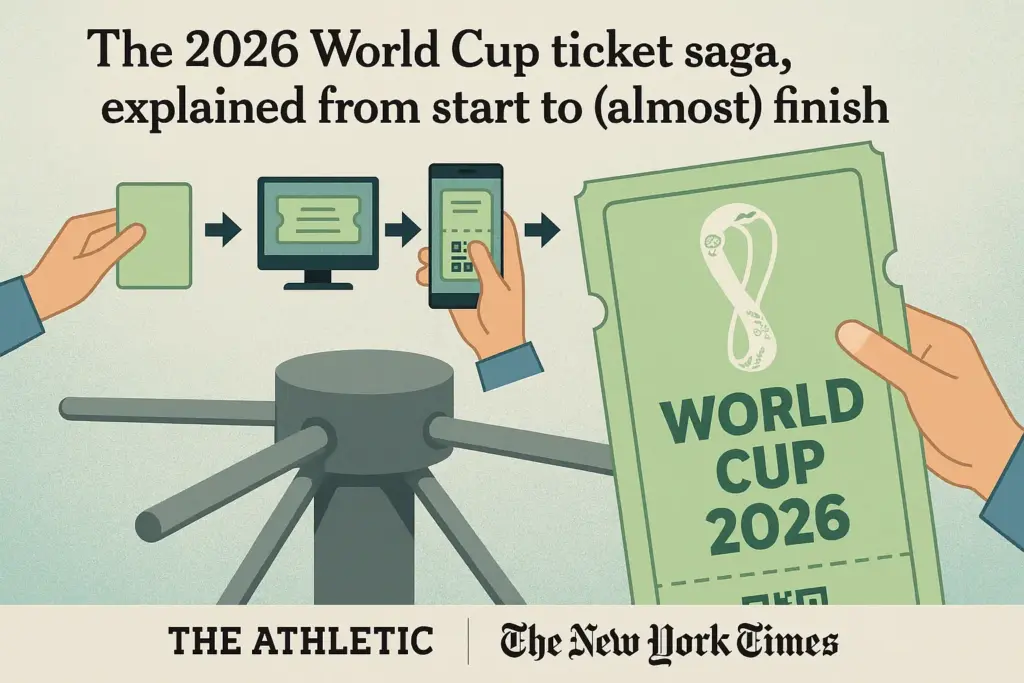
The road to the 2026 World Cup has been marked by an enduring saga surrounding the sale and distribution of tickets. A blend of anticipation and contention has characterized this journey, with FIFA, fans, ticketing agencies, national soccer federations, and other stakeholders embroiled in a complex process to secure entry to this global spectacle.
As the world gears up for what promises to be a historic tournament across the United States, Canada, and Mexico, the question of how to manage ticket sales for millions of passionate fans has loomed large. With the expansion to 48 teams, the 2026 edition is expected to set record-breaking sales figures, fueling both excitement and logistical challenges.
Throughout this saga, the primary goal has been to ensure tickets are both accessible and fairly distributed. However, the journey has been far from smooth. Initial phases saw confusion as fans battled with ticketing platforms, often crashing under immense demand. FIFA’s decision to centralize ticket sales brought both order and discontent, as it attempted to prevent unauthorized sales while ensuring a seamless user experience.
Ticketing agencies were tasked with navigating these complexities, balancing between strict regulations imposed by FIFA and the realities of skyrocketing demand. This led to sharp criticisms, with many fans feeling left out due to pricing strategies and limited availability during initial releases. Meanwhile, federations from participating nations faced their own set of challenges, managing allocations for their citizens amidst an ever-growing global interest.
Amid these challenges, one positive emerged: strides in digital ticketing technologies promised a more efficient and secure process. Developments in blockchain and digital verification methods aimed to curtail issues of counterfeit tickets, a significant concern for events of this magnitude.
Although the saga is yet to conclude, and details around final allocations and pricing remain under speculation, the learned lessons are likely to influence how future global events approach ticket distribution. By placing fans’ interests at the core, the hope remains to turn these lessons into a more inclusive and accessible World Cup experience.
As the countdown continues, the 2026 World Cup stands as a testament to both the passion and the complexities inherent in organizing one of the world’s most beloved events. While debates over ticket distribution may persist, the overarching aim holds steady: a celebration of soccer that unites nations and fans alike.